- Prior was 2.25%
- Rates have been held steady since a cut in October
- The war is weighing on global economic growth and pushing up inflation
- the US administration continues to propose new tariffs
- US economic growth remains solid supported by consumption and AI‑related investment
- In the euro area, growth is subdued
- Global equity markets have been buoyant
- Looking through monthly volatility, employment in Canada is little changed since the start of the year
- Recent data suggests that growth will resume in the second quarter but,
even with some rebound, the economy is expected to remain in excess
supply - Q1 GDP edged down and was weaker than forecast
- So far, there has been limited evidence of broad-based pass-through of higher energy prices to other consumer prices
The BOC slightly altered this key line. It previously said:
As expected, so far there is little evidence that oil prices have fed
through more broadly to goods and services prices, but this warrants
close attention in the months ahead.
And now says:
Governing Council is continuing to look through the war’s near-term
impact on headline inflation, but will not let higher energy prices
become persistent inflation
I’d say that’s incrementally hawkish.
Governor Tiff Macklem also released the opening text of his statement and it says:
If the United States imposes significant new trade restrictions on
Canada, we may need to cut the policy rate further to support economic
growth. Alternatively, if the conflict in the Middle East continues and
higher energy prices start leading to ongoing generalized inflation,
monetary policy will have more work to do—there may be a need for
consecutive increases in the policy rate.
Generally though, there is no signal and the message is that there are many possible outcomes and “we will be watching all these developments closely.”
There certainly isn’t a pushback against the market pricing in hikes as he said:
Governing Council agreed to look through the war’s near-term impact on
inflation but if energy prices stay high, we will not let their effects
become broad-based persistent inflation
Before the decision, the market was pricing in 2.4 bps of hiking at the July 15 meeting, or a 10% chance of a hike. Skipping ahead to December, there are 36 bps of hiking priced in, or a hike and a 44% chance of a second hike.
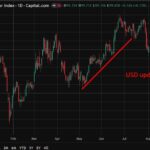
USD/CAD was trading at 1.3907 ahead of the decision as it looks to carve out a double top. The US dollar is broadly weaker today as the market breathes a sigh of relief that CPI wasn’t a five-alarm fire.
USDCAD daily chart
In the minutes after the report, USD/CAD is down about 3 pips versus pre-announcement levels so this is essentially as expected.