Beginner’s Guide to Trading (Forex & Metals)
1. What Is Trading?

Trading is the act of buying and selling financial assets to make a profit from price changes. Traders aim to buy low and sell high, or sell high and buy low (short selling).
You can trade many markets, but this guide focuses on:
- Forex (Foreign Exchange) – trading currencies
- Metals – mainly Gold (XAU) and Silver (XAG)
2. Understanding the Markets
2.1 Forex (Foreign Exchange)
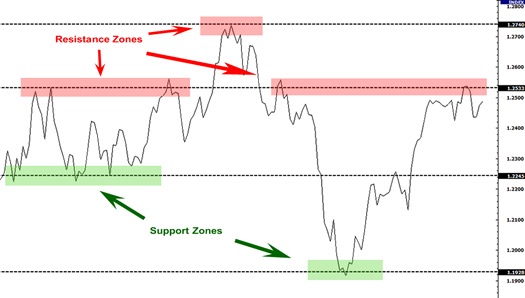
Forex is the largest financial market in the world. You trade currency pairs, such as:
- EUR/USD (Euro vs US Dollar)
- GBP/USD (British Pound vs US Dollar)
- USD/JPY (US Dollar vs Japanese Yen)
Key idea:
When you buy a currency pair, you expect the first currency to rise against the second currency.
Example:
- Buy EUR/USD at 1.1000
- Sell at 1.1050 → Profit
2.2 Metals Trading
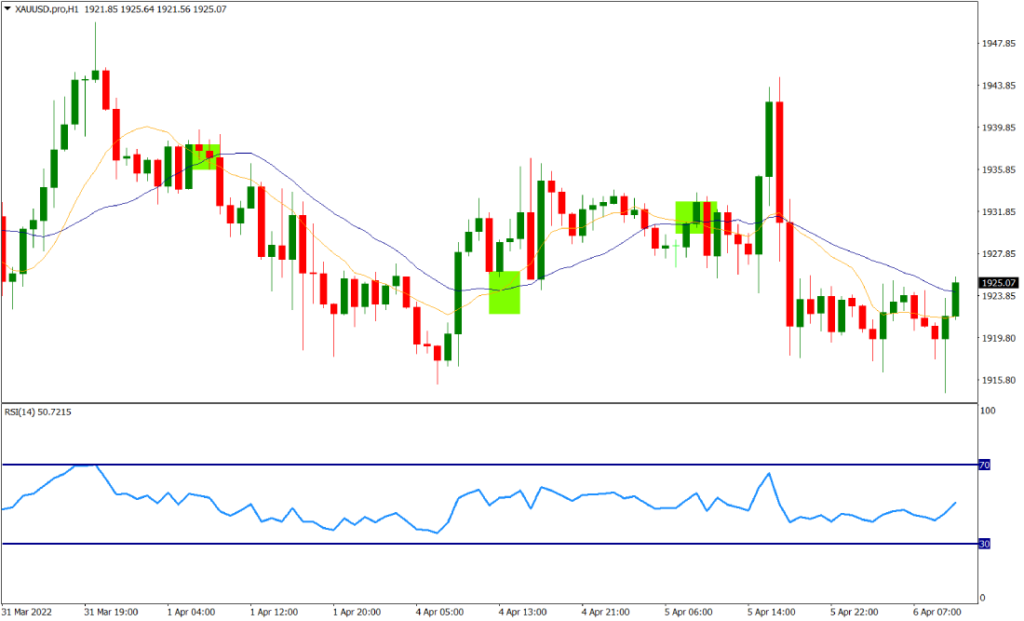
Metal trading usually involves precious metals, especially:
- Gold (XAU/USD)
- Silver (XAG/USD)
Metals are often used as safe-haven assets, meaning their price may rise during economic uncertainty.
Gold is popular because:
- High volatility (good trading opportunities)
- Influenced by inflation, interest rates, and global news
3. How Trading Works
3.1 Buy & Sell
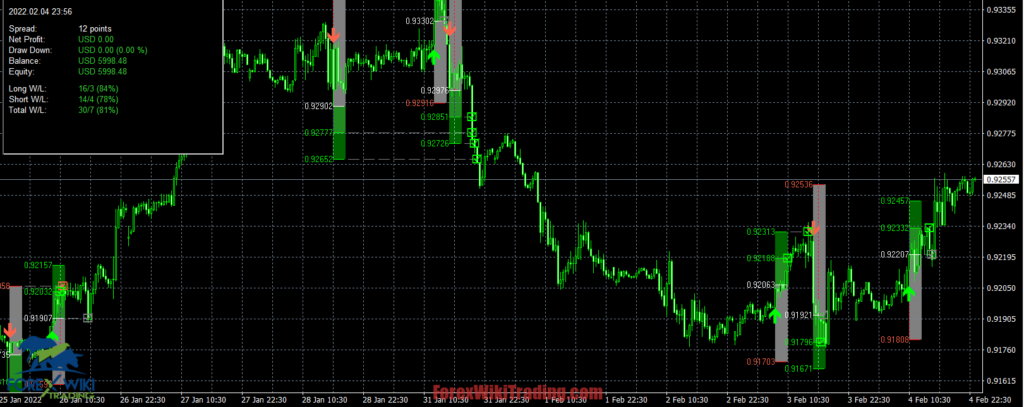
- Buy (Long): You profit if price goes up
- Sell (Short): You profit if price goes down
3.2 Lot Size
A lot is the size of your trade.
- Standard lot = 100,000 units
- Mini lot = 10,000 units
- Micro lot = 1,000 units
Beginners should start with micro or small lots.
3.3 Leverage
Leverage allows you to control a large position with a small amount of money.
Example:
- 1:100 leverage → $100 controls $10,000
⚠️ Warning: Leverage increases both profits and losses.
4. Trading Platforms
Popular beginner-friendly platforms:
- MetaTrader 4 (MT4)
- MetaTrader 5 (MT5)
These platforms allow you to:
- Analyze charts
- Place trades
- Use indicators
- Practice with demo accounts
5. Types of Analysis
5.1 Technical Analysis
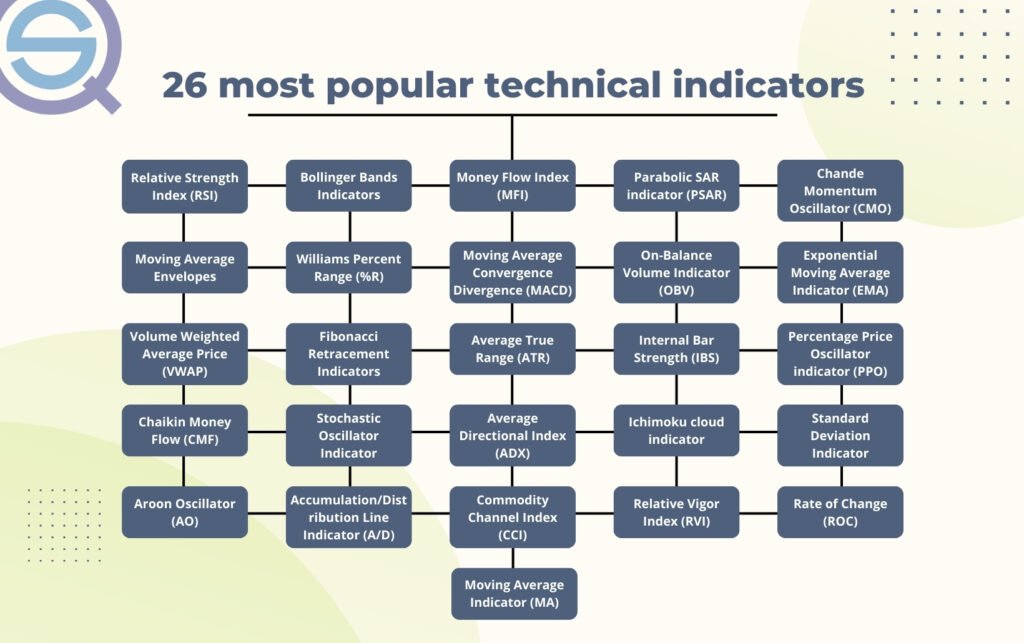
Uses charts and indicators to predict price movement.
Common indicators:
- Moving Averages
- RSI (Relative Strength Index)
- Support & Resistance
5.2 Fundamental Analysis
Focuses on news and economic events, such as:
- Interest rate decisions
- Inflation data
- Employment reports
- Geopolitical events
Gold and forex prices often move strongly after major news.
6. Risk Management (VERY IMPORTANT)
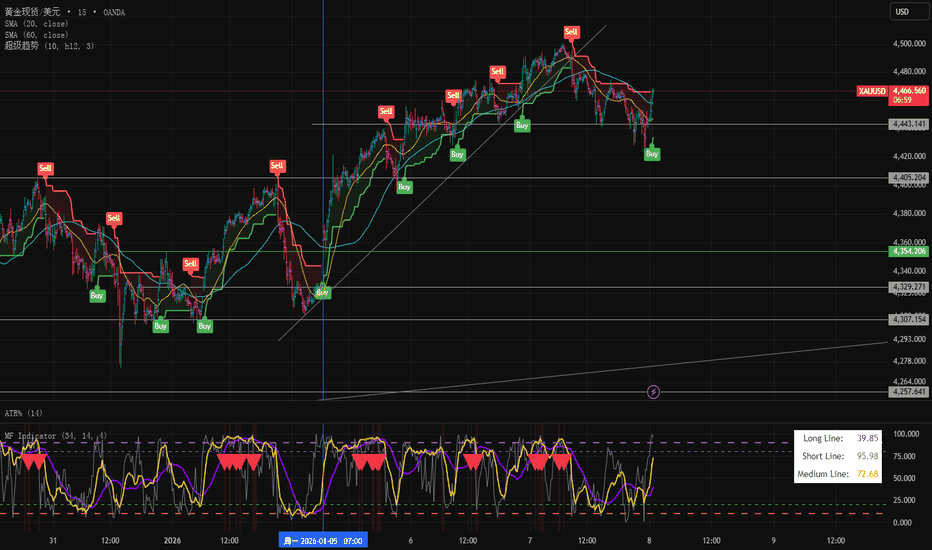
Good traders focus on protecting their capital.
Key rules:
- Risk only 1–2% of your account per trade
- Always use a Stop Loss
- Avoid overtrading
- Do not trade emotionally
Example:
- $1,000 account → Risk $10–$20 per trade
7. Trading Styles
- Scalping: Very short trades (minutes)
- Day Trading: Trades opened and closed in one day
- Swing Trading: Trades held for days or weeks
Beginners usually do best with day trading or swing trading.
8. Demo vs Live Trading
Demo Account
- Uses virtual money
- Great for learning
- No risk
Live Account
- Uses real money
- Real emotions involved
- Start small
👉 Always practice on a demo account first.
9. Common Beginner Mistakes
- Trading without a plan
- Using too much leverage
- Revenge trading after losses
- Ignoring stop loss
- Expecting fast money
Trading is a skill, not gambling.
10. Simple Beginner Trading Plan
- Choose one market (Forex or Gold)
- Use 1–2 indicators only
- Risk max 1–2% per trade
- Trade only when rules are met
- Keep a trading journal
11. Final Advice

- Be patient
- Focus on consistency, not quick profits
- Learn every day
- Losses are part of trading
⚠️ Important Safety & Money Management Warning
- Do NOT allow or trust another person to trade or manage your money
- Be aware that the internet and trading world are full of scams
- Never send money to so-called account managers, signal sellers, or guaranteed profit traders
- Do not invest money in programs, platforms, or bots that you have not properly checked and verified
- If profits are guaranteed, it is almost always a SCAM
📌 Successful trading takes time, discipline, education, and personal responsibility.