Zcash has surged 1,140% in the past year as bitcoin pioneers including the Winklevoss twins back the privacy token, with fading US regulatory fears adding fuel to the rally.
Summary:
- Zcash has gained around 50% in the past month and 1,140% over the past year, driven by institutional backing from figures including the Winklevoss twins and Barry Silbert’s Digital Currency Group, a fading SEC probe, and Grayscale’s plan to convert its Zcash trust into an ETF, according to the Wall Street Journal (gated).
- Founded in 2016, Zcash operates similarly to bitcoin but offers optional shielded addresses that conceal sender, recipient and transaction amounts, with a market cap of around $8.9 billion compared to bitcoin’s $1.59 trillion.
- Regulatory concerns remain, with authorities warning that privacy features could be exploited for sanctions evasion or illicit finance, though blockchain analysts note terrorist groups have largely favoured bitcoin and stablecoins over privacy coins.
Zcash, a privacy-focused cryptocurrency founded in 2016, has surged more than 1,100% over the past year as some of bitcoin’s most prominent early backers shift their attention to a token they believe captures what crypto was originally meant to be.
The rally has been driven by a combination of institutional conviction and receding regulatory risk. The Winklevoss twins committed $50 million to launch Cypherpunk Technologies, a digital asset treasury company focused on Zcash, while Barry Silbert’s Digital Currency Group made the token one of its largest holdings. Grayscale Investments, which manages the first publicly traded bitcoin fund, has also told regulators it intends to convert its Zcash trust into an exchange-traded fund, a move that would open the token to a significantly broader pool of investors.
The SEC’s decision earlier this year to close a probe into Zcash removed what had been one of the most significant overhangs on the token. Concerns that its privacy features could attract regulatory action had previously limited institutional appetite.
Unlike bitcoin, where all transactions are recorded on a fully public ledger and increasingly traceable through blockchain analytics, Zcash gives users the option to shield transaction details including sender identity, recipient and amount. Proponents argue this restores the original privacy ethos of cryptocurrency, while critics and regulators warn the same features could facilitate sanctions evasion or other illicit activity.
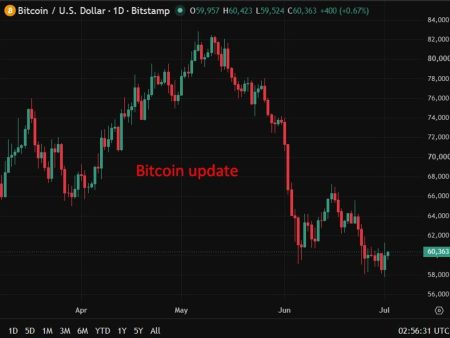
Bitcoin has lost 24% over the past year and gained only 8% in the past month, a contrast that has frustrated long-term holders and accelerated interest in alternatives. Zcash, at around $8.9 billion in market cap, remains a fraction of bitcoin’s scale, and smaller tokens have a well-established history of sharp rallies followed by equally sharp reversals.
—
The Zcash rally is drawing fresh attention to the privacy coin segment of the crypto market, which has historically been dismissed or actively avoided by institutional players wary of regulatory scrutiny. The SEC closing its probe into Zcash and Grayscale’s move to convert its Zcash trust into an ETF are the two most significant structural catalysts, as they lower the barrier to mainstream investment. With bitcoin underperforming on both a one-month and one-year basis, capital rotation from disenchanted bitcoin holders into privacy alternatives could sustain momentum, though the token’s small market cap makes it vulnerable to sharp reversals.