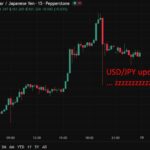
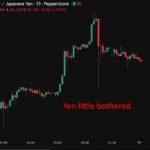
I’ll be back separately with details and implications (TL;DR … May rate hike).
Australia CPI Q1 2026 1.4% q/q (expected 1.4%, prior 0.6%)
- and 4.1% y/y (expected 4.1%, prior 3.6%)
Trimmed Mean (core) 0.8% q/q (expected 0.9%, prior 0.9%)
- and 3.5% y/y (expected 3.5%, prior 3.4%)
–
CPI for March month +1.4% m/m (prior0.0%)
- and +4.6% y/y (expected 4.8%, prior 3.7%)
Trimmed Mean (core) +0.3% m/m (prior +0.2%)
- and +3.3% y/y (expected +3.3%, prior +3.3%)
Earlier:
- Iran war is supercharging inflation and putting a May RBA rate rise firmly on the table.
-
Summary:
- CBA forecasts headline CPI rose 1.1% in March, lifting the annual rate to 4.6%
- CBA expects trimmed mean inflation of 0.9% for Q1 2026, pushing the annual rate to 3.5%, which would mark the third consecutive quarter at that pace or above
- CBA calls for a 25bp RBA rate rise in May to 4.35%, though flags the decision as line ball between inflation and growth risks
- Westpac estimates a 1.5% quarterly CPI gain, or 4.2% annually, with risks seen as balanced
- Westpac forecasts trimmed mean of 0.93% for Q1, lifting the annual rate to 3.5% from 3.4%
- Both banks attribute the bulk of the energy shock so far to auto fuel, with the Iran conflict having begun on 28 February
- Westpac warns the impact will broaden significantly in Q2 and through H2 2026, with trimmed mean seen hitting 1.0% per quarter and the annual rate peaking at 4.0%
The forecasts from CBA and Westpac carry clear hawkish implications for Australian rates. If trimmed mean inflation prints at 0.9% for the quarter and the annual rate lifts to 3.5% as both banks expect, the RBA will face significant pressure to act at its May meeting. CBA explicitly calls for a 25 basis point hike to 4.35%, though it acknowledges the decision will be close. Bond markets are likely to price in a higher probability of a May move on the back of these notes, pressuring the short end of the curve. The Australian dollar could find support if the RBA is seen moving while other central banks remain on hold. The longer-term concern flagged by Westpac, that the Iran conflict represents the largest energy shock since the 1970s oil crises, suggests inflation risks are skewed to the upside well into the second half of 2026, limiting the scope for any subsequent easing cycle.
This article was written by Eamonn Sheridan at investinglive.com.