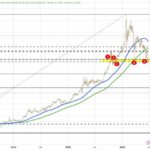
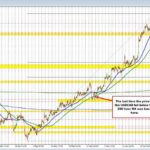
The Canadian Dollar (CAD) and the United States Dollar (USD) have a long-standing relationship characterized by fluctuations and trends. Understanding CADUSD movements over the decades is essential for investors, economists, and anyone interested in the interplay of these two currencies.
The Beginnings: Currency Parity and Trade Relationships
In the early 20th century, the CAD was pegged to the USD, creating a sense of stability for both currencies. The close geographical proximity and trade relationships between the two countries facilitated this structure. During this period, the exchange rate fluctuated around parity, reflecting balanced economic conditions.
The 1970s: The Era of Floating Exchange Rates
The abandonment of the Bretton Woods system in the early 1970s marked a significant turn in CADUSD movements. With the introduction of floating exchange rates, the CAD became subject to the whims of market forces. This era saw substantial volatility, influenced by oil crises, inflation, and changes in monetary policy.
- Impact of Oil Prices: Canada, being a major oil exporter, saw its currency value closely tied to oil prices.
- Inflation Rates: High inflation in the U.S. during the late 1970s diminished the USD’s purchasing power against the CAD.
The 1980s and 1990s: Fluctuations and Economic Policies
The following decades were marked by significant events that impacted CADUSD movements:
- Recessions: Economic downturns in the early 1980s led to a depreciated CAD.
- Interest Rates: The Bank of Canada’s policies to combat inflation resulted in drastic shifts in currency value.
- Trade Agreements: The introduction of the Canada-U.S. Free Trade Agreement in 1989 strengthened economic ties, impacting the exchange rate positively for CAD.
The 2000s: Stability Amidst Global Financial Crises
This decade was characterized by relative stability, but also significant volatility due to the 2008 financial crisis. The CADUSD exchange rate experienced rapid changes:
- Housing Market Collapse: The crisis had a profound impact on both economies, resulting in fluctuating exchange rates.
- Commodity Prices: Rallying prices for commodities, including oil, temporarily boosted the CAD in the mid-2000s.
The 2010s to Present: Recent Trends and Future Outlook
The last decade has seen shifts in CADUSD movements influenced by various factors:
- Trade Wars: Increasing tensions between the U.S. and other countries have affected trade dynamics.
- COVID-19 Pandemic: The global pandemic introduced unprecedented volatility, with currencies reacting sharply to economic forecasts.
- Interest Rate Decisions: Continued monetary policy adjustments by both the Federal Reserve and the Bank of Canada dictate future movements.
As we look to the future, factors such as geopolitical issues, trade relationships, and market confidence will continue to shape CADUSD movements.